
 dizmanamedya
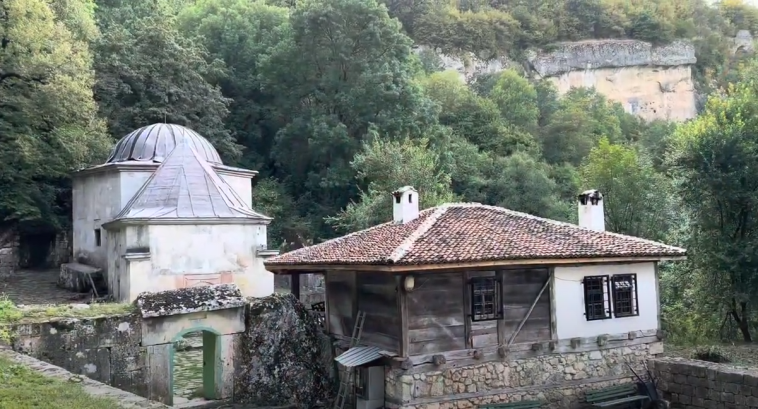
Demir Baba Tekke: A Treasure of History, Faith, and Architecture
Located in the northeast of Bulgaria, near the village of Isperih in the Deliorman region, Demir Baba Tekke stands as a sacred site for both Alevi Muslims and Christians. Recognized as an official cultural monument since 1927, the tekke preserves a rich heritage rooted in its long history and spiritual significance.
History and Foundation
The founder of the tekke, Hasan Demir Baba, is a somewhat mysterious figure, though it is believed he lived during the 16th century and participated in battles during the reign of Suleiman the Magnificent. After being closed during the abolition of the Janissaries, the tekke was reopened during Sultan Abdulaziz’s reign. Archaeological excavations revealed that the site has been considered sacred for over 2,000 years and includes remnants of a Thracian temple from the 6th century BCE to the 2nd century CE.
Architectural Features
The tekke complex comprises a courtyard, tomb, dervish rooms, guesthouse, and other structures. The tomb itself is an octagonal, domed structure with an inscription at its entrance reading, “la feta illa Ali, la seyf illa Zulfiqar” (There is no hero but Ali; there is no sword but Zulfiqar). Inside, visitors can see Demir Baba’s sarcophagus surrounded by candelabras and other symbolic religious artifacts.
Beliefs and Rituals
Demir Baba Tekke is a pilgrimage site where people seek blessings for health, fertility, and love. Visitors perform rituals such as praying at the tomb, touching the sarcophagus, washing in sacred water, and offering sacrifices. Numerous legends and stories surround Demir Baba, portraying him as a man of extraordinary spiritual power.
Legends and Stories
One famous legend tells of Demir Baba ending a severe drought by drawing water from the earth with his bare hands, giving rise to the “Five Fingers” spring. Stories also describe his ability to ascend the hilltop in just two steps and his reputation as a powerful wrestler.
Conclusion
Demir Baba Tekke is more than just a Bektashi shrine; it is a symbol of Bulgaria’s diverse cultural mosaic. Recognized as a UNESCO World Heritage Site, this sacred and historical location continues to captivate visitors with its unique blend of history, spirituality, and folklore.


GIPHY App Key not set. Please check settings